DNASequence SRL Hellas completed successfully the project awarded by INTRAKAT ΑΕΤΕ

DNASequence SRL Hellas completed successfully the project awarded by INTRAKAT ΑΕΤΕ regarding the study and report generation of the microbiotic load of the Ellinikon construction site. DNASequence SRL Hellas, is a company active in the biotechnology sector and the development of pioneering and innovative solutions based on the metagenomic technologies. The project materialization started with the successful sample gathering of 60 samples from various areas of the construction site, reaching sample depths of 4 meters (Jun 30th, 2020 and July 1st, 2020) Sampling gathering included the accumulation of soil from specific spots for the purpose of metagenomic analysis of the microbiotic environment and possible microbiotic pollution. The analysis procedure of the 60 samples was based on the metagenomic technology 16S rRNA, that is an important tool for the attribution of the microbiotic environment in the soil. The approach through 16S rRNA technology, offers increased sensitivity compared to the current technological alternatives. The main advantage of the project is that the full recording of the microbiotic environments was completed before any intervention, through Next Generation Sequencing technology. This approach offers the advantage of creating a biological index for the pollution possibility, caused by human intervention, through monitoring. Additionally, it offers the possibility of monitoring the effectiveness of any interventions scheduled in the future. For this specific project, DNA Sequence collaborated with the Chemical Engineering school of NTUA, achieving the combination of the chemical analysis of the samples along with the microbiotic environments, a process that was included in the deliverables. Antonios Salakidis, General Manager of DNASequence, extended his gratitude to INTRAKAT for the trust that it showed in awarding DNASequence with such an innovative project. This is the first private sector project that metagenomic technologies have been implemented by a construction company of Greece. He also expressed his gratitude for NTUA and Prof. Antonia Moropoulou for the immaculate collaboration throughout the project cycle.
WATER QUALITY
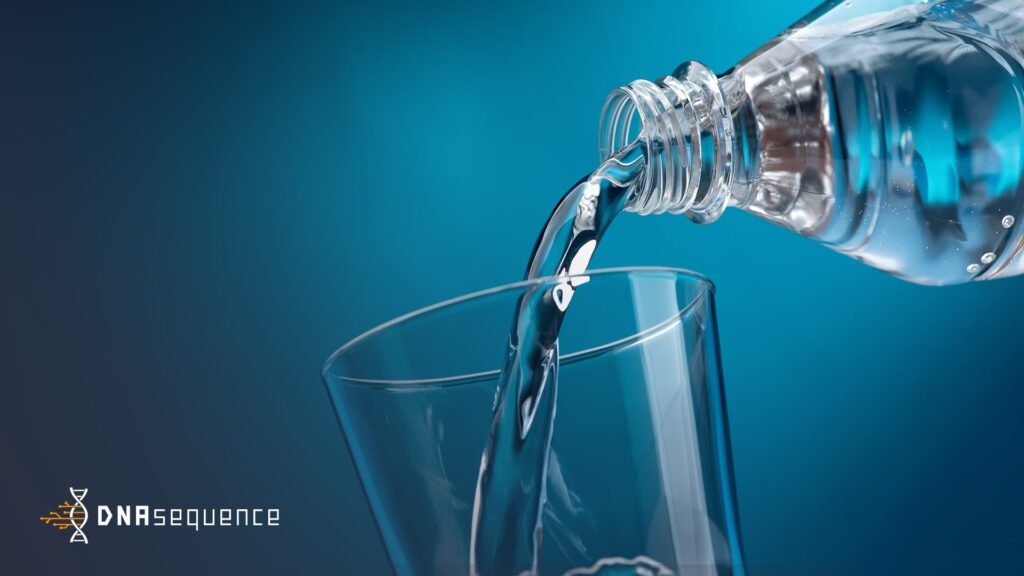
1. Project Background and Description Bacterial microbes exist in every water system in the world. They are perfectly adapted to the environmental conditions, making the disinfection process a difficult task. As microbes grow, they attach themselves to wetted surfaces in the water distribution system. They protect themselves from disinfecting agents by forming biofilms. A biofilm contains a group of bacteria enveloped within a polymeric slime that ensures adhesion to the pipe surface. Thus, they are several hundred times more resistant to the action of various disinfectants and antibiotics than the same microorganisms grown in suspension. 3. Project Scope To explore the differences of microbial community structure in different water areas To study changes of water microbiota in diversity and abundance after certain treatment To determine the degree of water pollution and remediation actions 4. Technology We will define points of interest in cooperation with the local authorities to define the sampling strategy. Our proposal concerns a different number of samples from different sites at a specific time. The proposed solution based on Nanopore sequencing platforms we can not only help you identify the microorganisms presented in the water, but also analyze their diversity, abundance, and the relationship between the water environments and the microbiomes. Advanced bioinformatic analysis offers a method to examine the genetic diversity of environmental samples and to characterize sites in terms of relative abundance of bacteria, fungi, protists, viruses, antimicrobial resistance (AMR), and virulence associated genes. 5. Deliverables Final Reports will contain the following elements: Identification of water microorganisms Quantitation of water microorganisms Study the evolutionary relationship of water microorganisms Study the functions of microorganisms in the water environments Remediations actions to improve water quality.