
Completion of an important project for the identification of biodeterioration-related factors in the metallic infrastructure of the Metro, in collaboration with STASY.

Completion of an important project for the identification of biodeterioration-related factors in the metallic infrastructure of the Metro, in collaboration with STASY. The objective of the project was to detect microorganisms potentially associated with microbiologically influenced corrosion (MIC) of metallic materials, contributing to a better understanding of the factors that affect the long-term durability and maintenance of critical transport infrastructure. Metagenomic analysis was applied in this project, a modern molecular method that enables the detection of microorganisms at the species level and the characterization of microbial communities in complex environmental samples. All samples were analyzed in our laboratory in Thessaloniki, which is accredited according to ISO 17025, ensuring internationally recognized standards of quality, accuracy, and reproducibility. This initiative represents an important step toward integrating advanced molecular monitoring technologies into the management and protection of public infrastructure, strengthening the technical evidence base for targeted maintenance interventions and corrosion prevention strategies. #Metagenomics #MIC #CorrosionMonitoring #InfrastructureProtection #Metro #STASY #EnvironmentalMonitoring #ISO17025 #DNAsequence
Completion of a hospital-acquired infection prevention project at the Naval Hospital of Athens (N.N.A.)

A large-scale project for the detection of microorganisms on surfaces in the General ICU of the Naval Hospital of Athens (NNA) has been successfully completed. The aim of the project was to optimize cleaning and disinfection procedures, contributing to a safer hospital environment for both patients and staff. The project implemented metagenomic analysis, a modern molecular method for detecting microorganisms at the species level. The method also enables the parallel identification of antimicrobial resistance (AMR) genes. All samples were analyzed in our laboratory in Thessaloniki, which is accredited according to ISO 17025. This certification ensures that the results are based on internationally recognized standards of quality, accuracy, and reproducibility—critical elements for decision-making in healthcare. This represents another step toward the implementation of cutting-edge technologies in clinical practice, with a clear impact on public health and the prevention of hospital-acquired infections.
Metagenomic study for the analysis of clinical samples from Intensive Care Units (ICUs) patients.
DNASequence is pleased to announce a collaboration with the Athens Naval Hospital, in a pilot metagenomic study for the analysis of clinical samples from Intensive Care Units (ICUs) patients. This study is carried out for the first time in Greece and aims to detect pathogens and antimicrobial resistance genes with high accuracy, as well as to evaluate the laboratory and bioinformatic protocols dedicated to clinical samples. This study is also part of the effort of DNASequence to expand its services in human clinical samples.
Biosafety monitoring project inside the premises of the Athens Naval Hospital
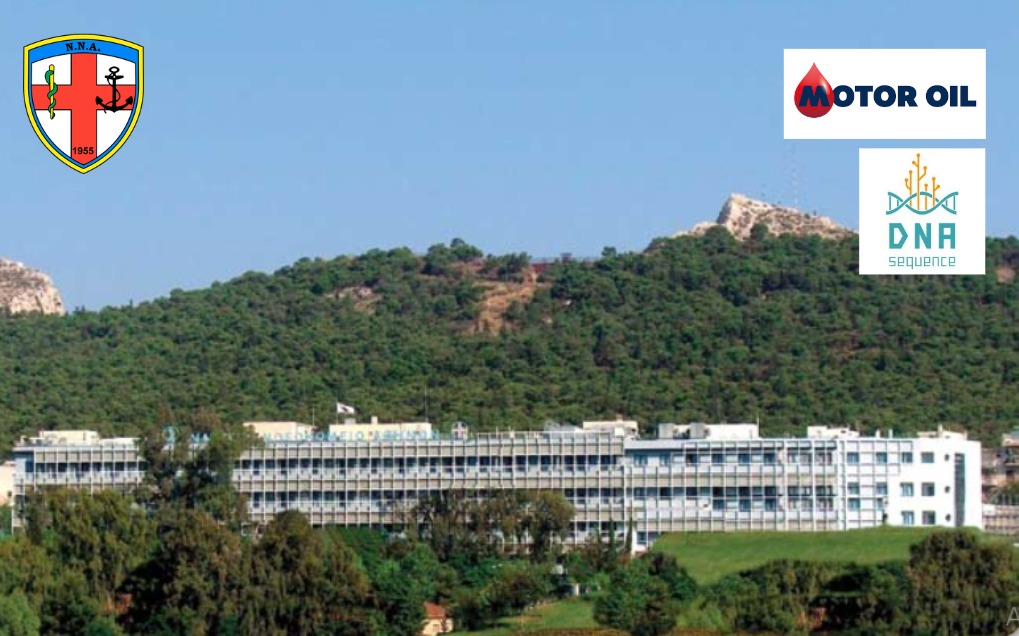
DNASequence, with the support of Motor Oil Hellas, completed a biosafety monitoring project inside the premises of the Athens Naval Hospital, with a direction for optimization of cleaning & biosafety protocols. The project aimed to detect microorganisms on various surfaces of the hospital, as well as antibiotic resistance genes, with the ultimate goal of reducing hospital-acquired infections in the future wing of the NNA sponsored by Motor Oil.
DNA sequence is pleased to announce its collaboration with the ICU Department of “Evangelismos” Hospital.

For the first time in Greece, Metagenomics analysis will be applied for the purpose of nosocomial infection mapping. The project will be realized in collaboration with the School of Medicine of UOA and specifically with the laboratory of Prof. Dr. Lagiou and Assistant Prof. Dr. Magiorkinis. We would like to thank Prof. Dr. Kotanidou, i.e. the project lead, for the trust and collaboration, as well as the President of the UOA School of Medicine Prof. Dr. Gerasimos Siasos
Microbiome monitoring services for hospitals

We offer custom-tailored microbiome analysis and monitoring solutions meaning that we approach each project independently. The custom tailored approach significantly improve our understanding of the microbiome in health and disease. We use Next Generation Sequencing (NGS) to identify and record the microbial communities. Based on the results we monitor departments with portable devices in the field and in the laboratory to access the files for subsequent bioinformatics analysis. We use the Oxford Nanopore’s 1D Rapid method, which gives us the important advantage of fast and easy sample preparation. This methodological approach recognizes specific biological species, strains and pathogens with the required precision based on biomarkers. This approach is selected because of the lower cost and price/performance ratio for the rapid metagenomics analysis process. Applying advanced computational meta-genomics methods will record the level of the microbial community of the sample, its complexity, and the rapid real-time pathogen identification of antibiotic resistance profiling. The results will be recorded in a database that includes raw data, the results of bioinformatics analysis (sequences, biomarkers, and species) and in addition, a series of metadata on sampling dates, spatial data as described. The result will be a detailed report, rich in data, documenting the results of the hospital microbiome. Application examples are: Intensive care units are special departments in hospitals that provide intensive medical care for patients suffering from severe and life-threatening diseases or injuries. Operating rooms are important hospital wards where most surgical procedures are performed. These areas are subjected to strict cleaning procedures such as sterilization, disinfection, and removal of contaminants (e.g., dust and organic waste). Cleanrooms are facilities used for ensuring quality and safety of many production processes. Ambulances which are tasked with transporting at-risk individuals in immunocompromised states. Hospital Wastewaters contain higher loads of micro-pollutants and antimicrobial resistance markers. Get in touch with our experts and find out what the benefits for your organization would be!