
Completion of an important project for the identification of biodeterioration-related factors in the metallic infrastructure of the Metro, in collaboration with STASY.

Completion of an important project for the identification of biodeterioration-related factors in the metallic infrastructure of the Metro, in collaboration with STASY. The objective of the project was to detect microorganisms potentially associated with microbiologically influenced corrosion (MIC) of metallic materials, contributing to a better understanding of the factors that affect the long-term durability and maintenance of critical transport infrastructure. Metagenomic analysis was applied in this project, a modern molecular method that enables the detection of microorganisms at the species level and the characterization of microbial communities in complex environmental samples. All samples were analyzed in our laboratory in Thessaloniki, which is accredited according to ISO 17025, ensuring internationally recognized standards of quality, accuracy, and reproducibility. This initiative represents an important step toward integrating advanced molecular monitoring technologies into the management and protection of public infrastructure, strengthening the technical evidence base for targeted maintenance interventions and corrosion prevention strategies. #Metagenomics #MIC #CorrosionMonitoring #InfrastructureProtection #Metro #STASY #EnvironmentalMonitoring #ISO17025 #DNAsequence
Completion of a hospital-acquired infection prevention project at the Naval Hospital of Athens (N.N.A.)

A large-scale project for the detection of microorganisms on surfaces in the General ICU of the Naval Hospital of Athens (NNA) has been successfully completed. The aim of the project was to optimize cleaning and disinfection procedures, contributing to a safer hospital environment for both patients and staff. The project implemented metagenomic analysis, a modern molecular method for detecting microorganisms at the species level. The method also enables the parallel identification of antimicrobial resistance (AMR) genes. All samples were analyzed in our laboratory in Thessaloniki, which is accredited according to ISO 17025. This certification ensures that the results are based on internationally recognized standards of quality, accuracy, and reproducibility—critical elements for decision-making in healthcare. This represents another step toward the implementation of cutting-edge technologies in clinical practice, with a clear impact on public health and the prevention of hospital-acquired infections.
Completion of a large-scale microorganism detection project across 43 Athens Metro stations operated by STASY

The aim of the project was to evaluate and optimize cleaning and disinfection procedures on high-touch surfaces within public Athens Metro stations, contributing to safer daily commuting conditions for both passengers and staff. Metagenomic analysis was applied in the project—a modern molecular method that enables the detection of microorganisms at the species level. All samples were analyzed in our laboratory in Thessaloniki, which is accredited according to ISO 17025. This accreditation ensures that the results are based on internationally recognized standards of quality, accuracy, and reproducibility—critical elements for decision-making in large public infrastructure systems. This initiative represents an important step toward integrating advanced molecular surveillance technologies into public transport operations, with a direct impact on public health, environmental hygiene, and the development of evidence-based cleaning strategies.
Metagenomic study for the analysis of clinical samples from Intensive Care Units (ICUs) patients.
DNASequence is pleased to announce a collaboration with the Athens Naval Hospital, in a pilot metagenomic study for the analysis of clinical samples from Intensive Care Units (ICUs) patients. This study is carried out for the first time in Greece and aims to detect pathogens and antimicrobial resistance genes with high accuracy, as well as to evaluate the laboratory and bioinformatic protocols dedicated to clinical samples. This study is also part of the effort of DNASequence to expand its services in human clinical samples.
Biosafety monitoring project inside the premises of the Athens Naval Hospital
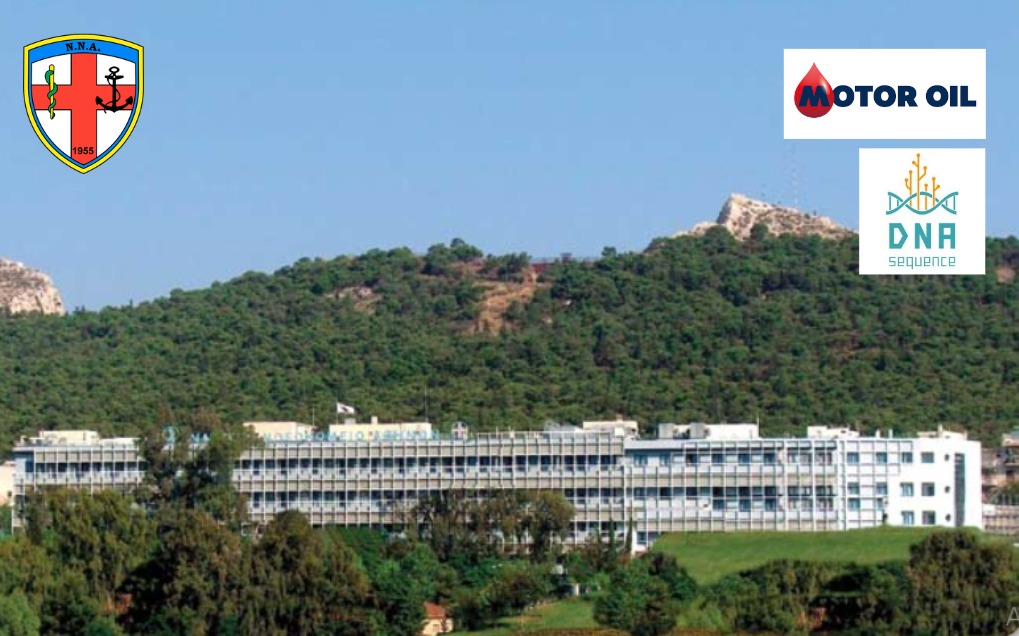
DNASequence, with the support of Motor Oil Hellas, completed a biosafety monitoring project inside the premises of the Athens Naval Hospital, with a direction for optimization of cleaning & biosafety protocols. The project aimed to detect microorganisms on various surfaces of the hospital, as well as antibiotic resistance genes, with the ultimate goal of reducing hospital-acquired infections in the future wing of the NNA sponsored by Motor Oil.
Environmental study in the Aetoliko area
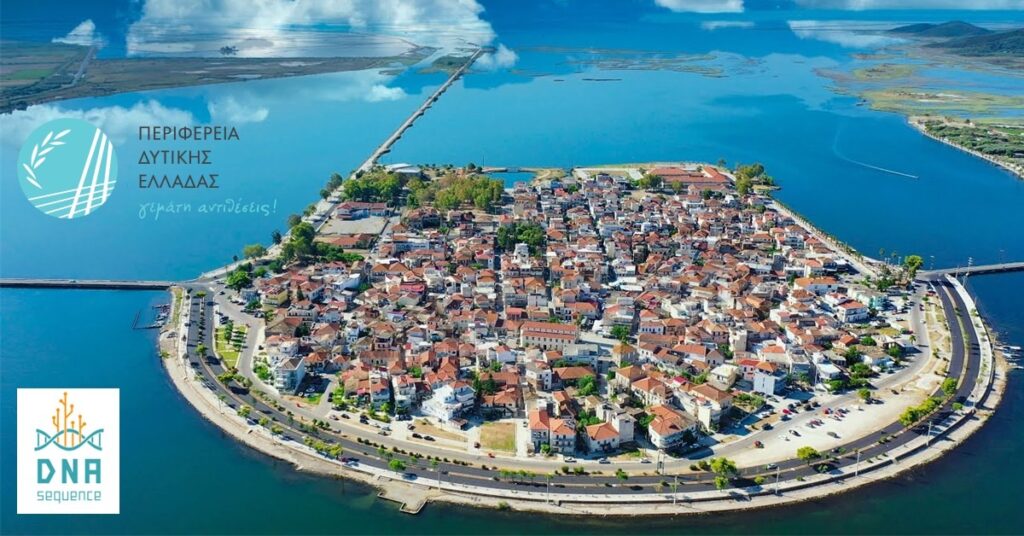
DNA Sequence is pleased to announce the completion of an environmental study in the Aetoliko area, issued for the Region of Western Greece and the Directorate of Environment and Spatial Planning. The goal is to understand the phenomenon of rapid macroalgae growth that occurs seasonally in the area, and the possible negative impact of the wastewater treatment plant. The study focuses on the detection and role of microorganisms in marine water and wastewater, that are involved in this complex phenomenon. It is the first application of metagenomics for environmental reasons, at a national level by the private sector.
Investigation of microbiome oriented geographical identities of local cheese products from the island of Lesvos

DNA Sequence is pleased to announce the completion of the project ‘Investigation of microbiome oriented geographical identities of local cheese products from the island of Lesvos’. The project was implemented for the Department of Culture, Sports & Tourism, Municipality of West Lesvos, Region North. Aegean. The aim of the project was the characterization of microbiome-related geographical identities of three cheese products (Feta, Kaseri and Ladotiri), compared to similar products produced in different regions of Greece.
Water Quality Monitoring in six municipalities of Thessaly, Greece, a year after Daniel storm!

DNA Sequence is pleased to announce the completion of a metagenomics water quality monitoring project in the areas of Trikala, Karditsa, Farssala, Kileler, Agia and Tempi, Thessaly, Greece. The project was funded by the Ministry of Environment & Energy and the Green Fund. The project aimed to evaluate the presence of pathogens in the water supply network of Trikala, Karditsa, Farssala, Kileler, Agia and Tempi Municipal Water Supply and Sewerage Companies, that may have been adversely affected by the floodings during the last year’s Daniel storm.
Agreement with the Department of Maintenance of Ancient and Modern Monuments – Greek Ministry of Culture.

DNASequence is pleased to announce an agreement with the Department of Maintenance of Ancient and Modern Monuments – Ministry of Culture to investigate microbial-induced corrosion on different objects, during the maintenance and digitization project of paper material from the Tatoi Palace estate. The investigation evaluated the presence of microorganisms involved in the biocorrosion phenomenon of the tested objects. The treatments used to prevent this corrosion were also evaluated.
Completion of a project for Thalis Environmental Services S.A.
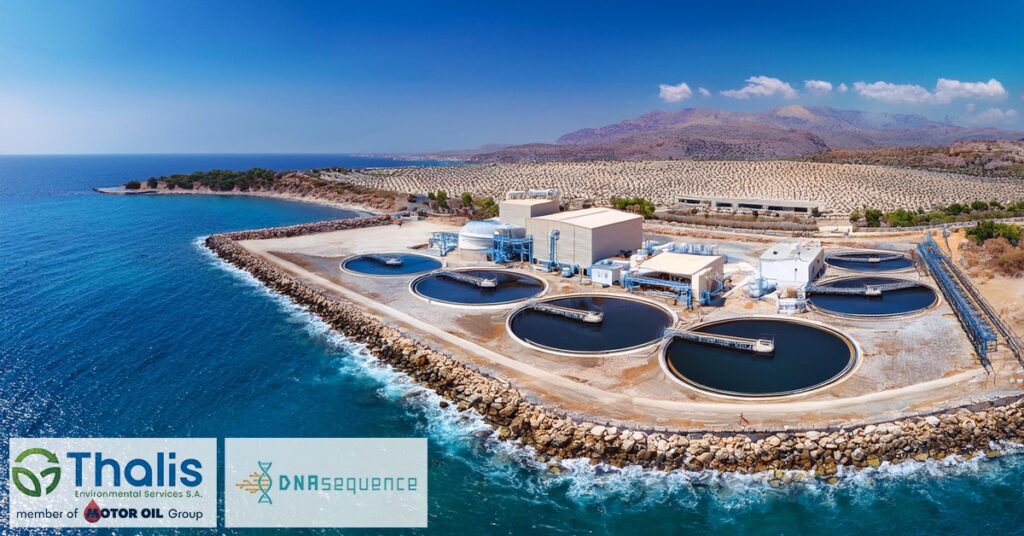
DNASequence is pleased to announce the completion of a project for Thalis Environmental Services S.A., a subsidiary of the Motor Oil Group. The project aimed to explore the microbiome through metagenomics, by monitoring various stages of a wastewater treatment plant at Heraklion (Crete), which is being upgraded by Thalis. The project highlights the complexity of wastewater management and treatment, where the microbiome plays a fundamental role in the efficiency and effectiveness of wastewater treatment, contributing to the protection of the environment and public health.